
The CPAM covers some pregnancy-related medical expenses, provided it receives the pregnancy declaration within the statutory time limit. Knowing whom to call, which channel to use and when during pregnancy can help prevent reimbursement delays and administrative hold-ups with your maternity file.
Pregnancy declaration and ameli account: what happens before your first call
Before contacting the CPAM by phone, it’s important to understand one procedural point. In most cases, the doctor or midwife sends the pregnancy declaration directly to the French Health Insurance system electronically during the first prenatal examination.
This first examination must take place before the end of the third month of pregnancy. If the healthcare professional submits the declaration electronically, you don’t need to take any further action: the CPAM receives the information automatically.
You may need to contact the CPAM during pregnancy in specific situations: if you need to send a paper declaration yourself, are unsure whether your file was received, have questions about your entitlements or are experiencing reimbursement issues. In these cases, it’s important to know which channel to use.
CPAM phone number and other ways to contact your local office
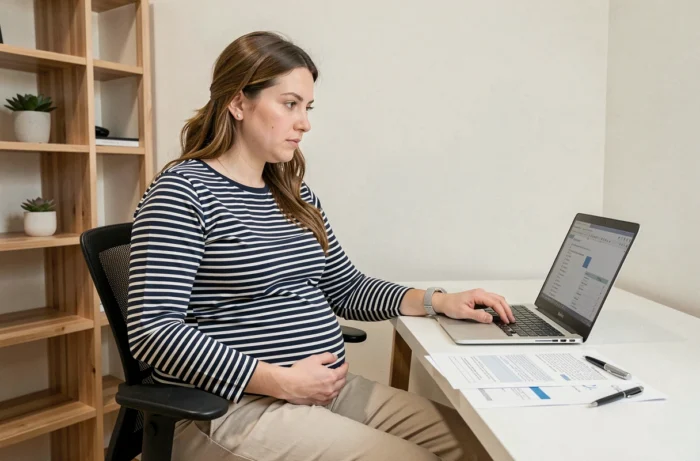
There are several ways to contact the CPAM about a maternity file. The best option depends on the nature of your request.
- 36 46 is the French Health Insurance phone number, charged at the cost of a local call. An adviser can check whether your pregnancy declaration has been registered or direct you to the right department.
- Your ameli account gives you access to secure messaging, where you can send a written message directly to your local office. This creates a record of your request and lets you attach supporting documents.
- The ameliBot virtual assistant, available around the clock on the ameli.fr website, can answer common questions. If it can’t provide the information you need, it will direct you to send a message to an adviser.
- You can book a phone or in-person appointment through your ameli account under “Vos rendez-vous” (Your appointments). Appointment options vary by local office.
The ameli forum is often used, but staff there cannot access individual files. For questions about your own situation—such as checking whether your declaration has been registered or finding out the status of a reimbursement—contact the CPAM by calling 36 46 or using your account’s messaging service.
When to call rather than send a message
Calling is best for urgent requests, such as if your Vitale card hasn’t been updated after your declaration, if you’re experiencing reimbursement delays during pregnancy, or if you need immediate confirmation. Secure messaging is more suitable for sending a document or asking a question that doesn’t require an answer within the hour.
Processing times vary from one local office to another. Your ameli account may show local processing times under “Vos démarches en 2 clics” (Your procedures in 2 clicks), helping you set realistic expectations.
CPAM maternity procedures: key dates
Contacting the CPAM at the right time can help you avoid administrative complications. Here are the key steps and when you may need to contact your local office.
First trimester: the declaration
Your first prenatal examination triggers the pregnancy declaration. If your doctor or midwife submits it online, both the CPAM and CAF are notified at the same time. If you receive a paper declaration, you must send the relevant sections of the “Premier examen médical prénatal” (First prenatal medical examination) form to the appropriate organizations.
Calling or messaging the CPAM a few weeks after this examination lets you check that your maternity file has been opened. This is especially useful if you submitted a paper declaration.
Second and third trimesters: follow-up and coverage
From the sixth month of pregnancy, maternity-related medical expenses are covered at 100% by the French Health Insurance system, up to the standard reimbursement rates. If consultations or examinations aren’t reimbursed correctly after this point, contact the CPAM to report the issue.
Updating your Vitale card after your declaration has been registered is a step that’s often overlooked. You can update it at terminals in pharmacies, CPAM offices and some healthcare facilities. Without an updated card, third-party payment may not work properly.
After the birth
The healthcare facility usually sends the birth certificate to the CPAM. If your maternity leave daily benefits are slow to appear in your account, call 36 46 to follow up on your file.
Late pregnancy declaration to the CPAM: what it means in practice
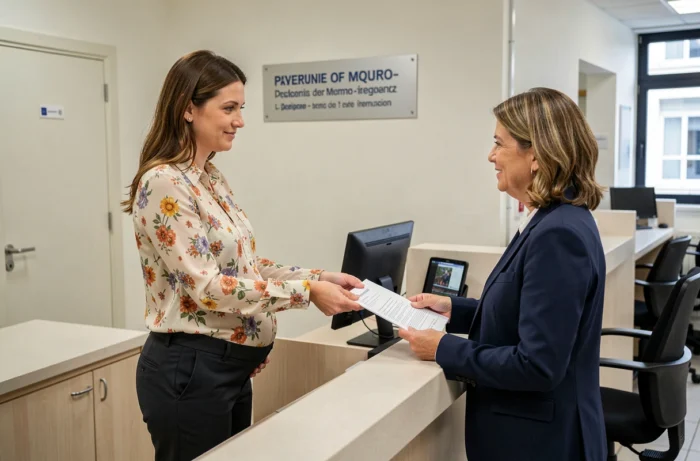
Sending your pregnancy declaration after the end of the first trimester doesn’t cancel your entitlements, but it delays the opening of your maternity file. Mandatory prenatal examinations carried out before the declaration is registered may not be reimbursed at the maternity rate.
Coverage at 100% from the sixth month also depends on the declaration being officially registered. A delay may therefore mean you have to pay expenses upfront and claim them back from your local office later, which can take longer.
If your declaration is late, contacting the CPAM promptly by phone or through ameli messaging can help regularize your situation and identify any documents missing from your file.
The key takeaway is simple: the CPAM must receive your pregnancy declaration before the end of the first trimester. For any follow-up, it’s best to contact your local office through your ameli account or by calling 36 46 rather than using indirect channels. An up-to-date Vitale card and an active ameli account cover most administrative needs up to the birth.


