
A themed trip is about more than choosing a destination on a map. The decision comes down to finding the right match between a main activity, a suitable season and a trip format that fits your pace. Comparing these factors before booking helps avoid disappointment as well as extra costs.
Seasonality and activities: the combination that narrows down your options
Most travel guides focus on the destination. Yet the most effective way to narrow down your options for a themed trip is to match your departure season with your chosen activity. A mountain hike, wildlife-watching excursion or wine-tasting trip won’t offer the same experience in every month.
The European Commission also notes that tourist overnight stays are heavily concentrated in July and August. Themes such as heritage, food and nature are often better suited to less busy periods, provided you check opening hours and seasonal access conditions.
| Theme | Best season (Europe) | Main constraint |
|---|---|---|
| Hiking / trekking | May-June, September-October | Snow cover, trails closed out of season |
| Wildlife watching | Varies by species and latitude | Migration periods, parks with restricted access |
| Food / wine | Autumn (harvests, markets) | Availability at wineries, advance booking |
| Heritage / culture | Spring, shoulder season | Summer crowds at listed sites |
| Wellness / yoga retreat | Year-round (depending on location) | Limited capacity at specialist retreats |
This table shows that the theme determines when to go, not the other way around. Starting with your vacation dates and then looking for a theme often leads to an awkward compromise.
Package or tailor-made themed trip: how the format makes a difference
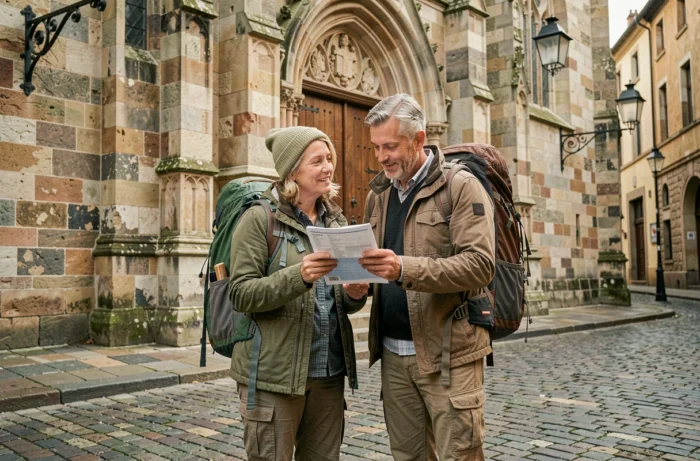
The format of your trip affects its price, flexibility and the level of legal protection available to you as a traveler. A trip with Voyages Thématiques can take the form of an organized tour, a semi-guided itinerary or a flexible combination of individual services.
The European directive on package travel covers trips that combine transport and accommodation (or another service) and are sold together. A revision currently under consideration would extend this definition to services booked within 24 hours of the first booking, when they are offered as part of the same purchase process. This legislative change has not yet taken effect, but it points to a likely increase in protection for travelers who put their trips together online.
In practice, there are three main formats:
- An all-inclusive package, where the organizer handles logistics and themed activities. It suits travelers who prefer a structured trip without having to manage everything day to day.
- A semi-guided trip, with a set itinerary and accommodation but free days. This format works well for cultural or food-focused trips where personal pace matters.
- A tailor-made trip, with each service booked separately. It offers maximum flexibility, but legal protection in the event of a dispute may be more limited if the services do not qualify as a package under the directive.
The choice of format depends less on your budget than on how you balance independence and peace of mind. A trek in Nepal organized by a specialist agency and a self-planned food-focused road trip in Sicily involve very different logistical risks.
Themed trip budget: where costs vary the most
The cost of a themed trip depends on three factors that are rarely compared together: the cost of the main activity, the level of guidance and the destination’s seasonality.
The main activity is often the most variable expense. A scuba-diving course, a cooking class with a local chef and a week of wildlife photography all have very different per-person costs. Accommodation and transport, on the other hand, remain comparable across themes for the same destination.
Guidance adds a cost that rises with the guide’s level of specialization. A naturalist guide trained in ornithology costs more than a general cultural guide. The extra expense is worthwhile when an activity requires technical expertise or access to restricted sites.
Traveling outside peak periods reduces accommodation and airfare costs, sometimes significantly. For themes that lend themselves to it (heritage, food, wellness), shifting your trip by a few weeks can put a different price range within reach without compromising the quality of the experience.

How to choose a themed trip: prioritize rather than make a list
Competitors offer lists of eight or ten boxes to tick. The problem is that these lists treat factors with very different decision-making weight as if they were equally important.
Three criteria are enough to rule out most unsuitable options:
- Whether your chosen theme is compatible with your departure season. If the activity isn’t possible on your preferred dates, the destination is out, however appealing it may be.
- The trip format (package, semi-guided or tailor-made) and how well it suits the traveler: previous experience, language skills and tolerance for the unexpected.
- The budget for the main activity, separate from the transport and accommodation budget. Keeping these two budgets separate helps you avoid sacrificing the activity that inspired the trip.
Other factors (flight duration, time difference, entry requirements) come into play as a second filter. They rule out destinations but don’t define the type of trip.
A traveler drawn to autumn hiking, who prefers a semi-guided format and has a moderate budget, has already narrowed the choice down to a handful of destinations. The rest comes down to personal preference, not methodology.
The best-chosen themed trip is one where the main activity remains practical and accessible on the selected dates, in a format suited to the traveler’s desired level of independence. Everything else can be adjusted around that core.


