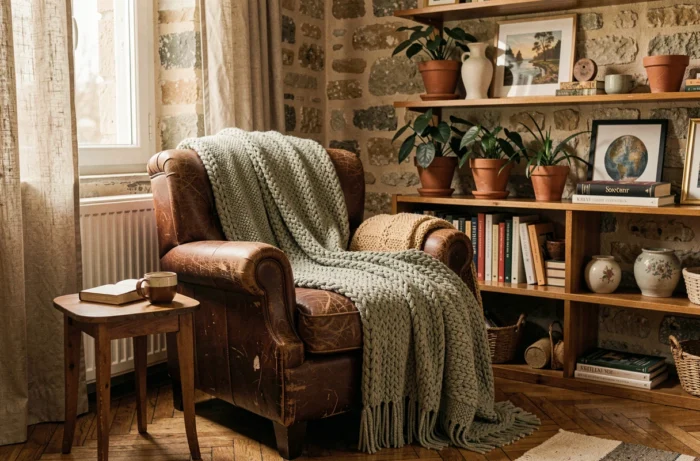
A linen sofa, wool cushions, a wall painted in a warm shade: on paper, the recipe for a cosy home seems simple. In practice, those same choices can turn a south-facing living room into a furnace as early as June, or affect air quality if materials release volatile compounds in a poorly ventilated space.
Creating a warm, elegant home means balancing your decorating preferences with considerations that inspiration catalogues rarely mention: summer comfort, fresh air and sun protection.
Thermal comfort and interior design: choices that shape the atmosphere in every season
We often think about visual warmth without considering what our choices mean when outdoor temperatures rise. A large picture window without sun protection, a dark south-facing wall or a thick rug in a poorly ventilated living room can all have a real impact on the home’s thermal comfort.
Sun protection (shutters, exterior blinds and brise-soleil) has a direct effect on indoor temperatures. Opening curtains and shutters on sunny winter days lets in free heat, while in summer, closing them during the hottest hours helps prevent overheating without changing the decor.
Flooring materials matter too. Stone or tile flooring provides thermal mass: it stays cool in summer and releases heat slowly in winter. By contrast, thick carpeting or flooring laid over insulation retains heat. That’s an advantage in cold weather, but can be a drawback in the height of summer, depending on the room’s orientation.
Exploring Décoration Flb’s home collection can help you find decorative pieces that work with these considerations, including lightweight textiles and accessories made from breathable natural materials.
Indoor air quality: decorative materials to keep an eye on
The ARS recommends paying attention to ventilation and airing out your home regularly, even in winter. This advice is especially relevant when a closed space is filled with new furniture, scented candles, fresh paint and treated textiles.
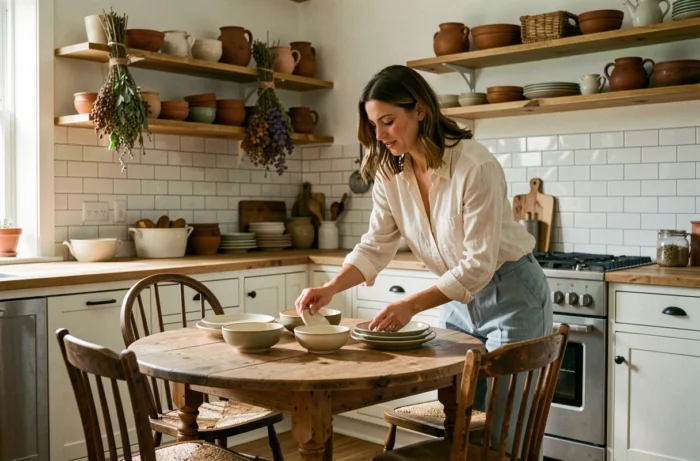
Particleboard furniture, adhesives, varnishes and cleaning products can all emit volatile organic compounds. In a well-insulated—and therefore more airtight—home, ventilation becomes an important part of interior design. A piece of furniture shouldn’t be chosen for its looks alone; you should also consider whether it could saturate the air in a 12 m² bedroom.
A few practical habits to adopt from the outset:
- Choose low-emission paints and varnishes (A+ rating), especially in enclosed rooms such as bedrooms
- Leave new particleboard furniture to air out for several days in a ventilated room before placing it in a bedroom
- Make sure the mechanical ventilation system is working properly and that extraction vents aren’t blocked by furniture or curtains
- Limit decorative sources of combustion (candles, incense) in rooms without mechanical ventilation
A warm, healthy home depends on finding the right balance: materials that feel good to the touch and air that’s properly refreshed.
Vintage furniture and imperfect objects: add character without making everything look the same
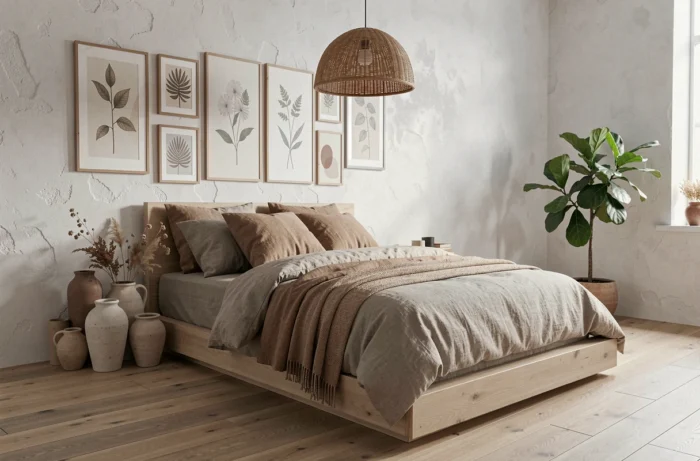
The interiors that get the most attention on social media often have one flaw: they all look alike. The same neutral palette, the same rattan pendant light, the same asymmetrical shelves. A home’s character rarely comes from a catalogue, however carefully curated.
A current interior design trend celebrates timeworn furniture, vintage finds and materials that show their imperfections. A 1960s sideboard with signs of wear, a slightly asymmetrical piece of handmade pottery or an antique mirror with an oxidised finish add visual depth that no new piece of furniture can replicate.
Mixing eras and styles creates an eclectic interior, as long as you follow one simple rule: pair a few statement pieces with more understated elements. A bold velvet armchair sits alongside a minimalist coffee table. An antique Berber rug complements a contemporary light fixture. Contrasting materials and eras create the visual tension that makes a space memorable.
A common mistake is to crowd the same sightline with too many statement pieces. Two or three distinctive objects per room are enough. The rest should be understated, giving the eye room to breathe.
Warm colours and lighting: create atmosphere without overdoing it
Colour is the quickest way to change the feel of a room, but also the riskiest. A terracotta wall in a bright living room warms up the space. The same shade in a north-facing room without enough natural light can make the room feel smaller and darker.
It’s worth testing a colour in real conditions before painting an entire wall. Applying samples directly to the wall and observing them at different times of day helps avoid unpleasant surprises. Natural light dramatically changes how a colour looks from morning to evening.
When it comes to artificial lighting, several low-level light sources (table lamps, wall lights and string lights) create a cosier atmosphere than a single ceiling light. Bulb colour temperature also plays a key role: below 3,000 kelvins, the light has a warm yellow hue. Above that, it shifts towards cool white, which is better suited to a worktop than a reading nook.
- Living room and bedroom: choose bulbs between 2,200 and 2,700 kelvins for a cosy, enveloping atmosphere
- Kitchen and home office: opt for 3,000 to 4,000 kelvins for practical lighting that’s easy on the eyes
- Vary the height of light sources in the same room (floor, table and wall) to avoid an office-ceiling effect
Choosing a fabric lampshade over a metal one, or a woven-fibre pendant over a glass one, filters and softens the light. These details can turn adequate lighting into a genuinely warm atmosphere.
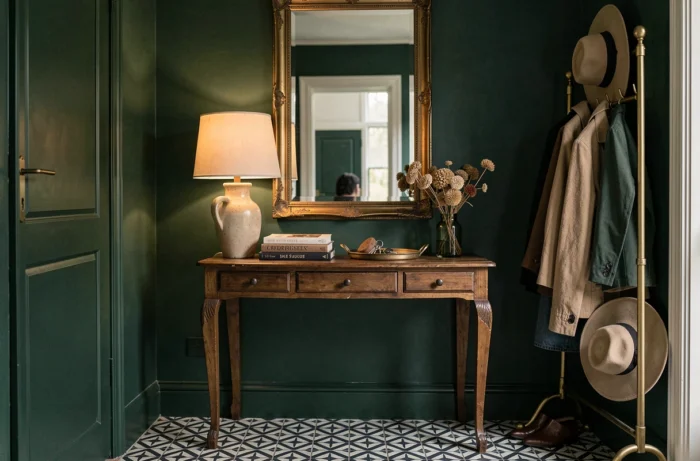
Creating a home that feels welcoming all year round means looking beyond the colour palette and furniture. Room orientation, ventilation, material types and their impact on indoor air quality are all part of decorating decisions, just like choosing a sofa. A warm home is one where you can breathe easily, in summer and winter alike.


